Manta Ray Night Snorkel in Kona: The Complete Guide (2026)
Everything you need to know about the manta ray night snorkel in Kona - what to expect, best operators, tips, and how to prepare.
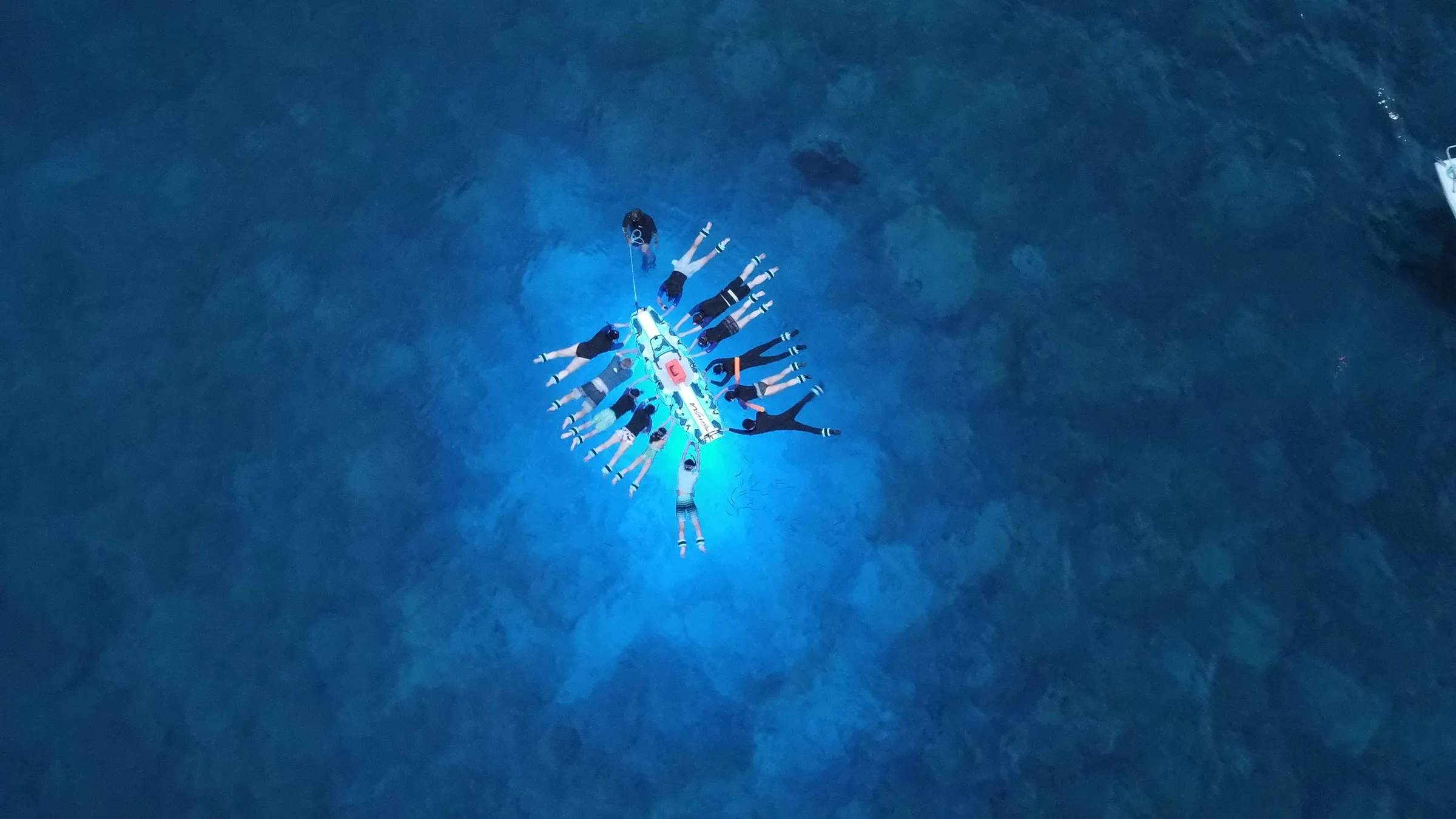
Okay, picture this: you're floating in warm Pacific waters under a blanket of stars when suddenly, a shadow larger than a small airplane glides beneath you. Then another. And another. Welcome to what I honestly believe is one of Hawaii's most spellbinding experiences - the manta ray night snorkel in Kona.
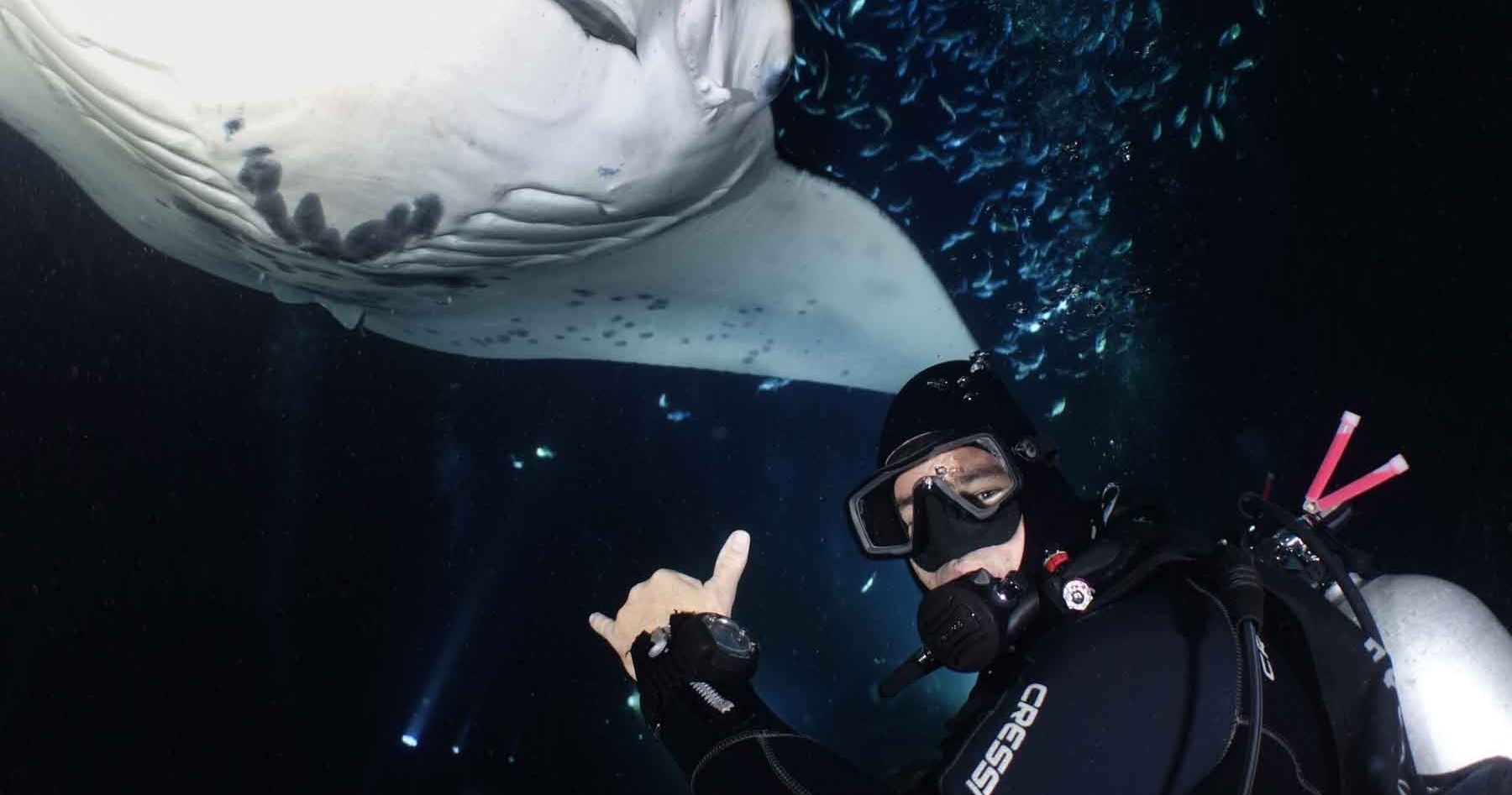
These underwater ballerinas - and I'm not being dramatic here - some have wingspans stretching 20 feet across. They gather each evening along Kona's coast for what's basically an all-you-can-eat plankton buffet. But here's what makes this encounter truly magical: they seem as curious about you as you are about them. I've watched them swoop within arm's reach, performing these graceful barrel rolls in the underwater spotlight like they're showing off just for us.
The Big Island's leeward shore? It's basically nature's perfect storm of conditions for manta ray encounters. Water temperatures hover in the upper 70s year-round. Currents stay gentle. And the unique volcanic topography - get this - it actually funnels plankton into concentrated feeding zones. Add in the glow from waterfront resorts, and you've got nature's most reliable dinner theater. No wonder Kona night snorkel experiences rank as the planet's premier manta ray destination.
Why Kona Offers the World's Best Manta Ray Night Snorkel Experience
Two underwater amphitheaters absolutely steal the show along Kona's coast. Manta Village (Keauhou Bay) sits right off the Sheraton Kona Resort, while Manta Heaven (Makako Bay) lies a bit further north. Both sites serve as nightly restaurants where manta rays put on performances that would honestly make Cirque du Soleil jealous.
Now here's where geology becomes pure magic. Ancient lava flows created these underwater formations that force deep, nutrient-rich water toward the surface. This upwelling concentrates microscopic plankton - basically manta ray caviar - into dense clouds. Resort lights penetrate the water column like spotlights, turning invisible plankton into a glowing feast that draws mantas from miles around.
Scientists tracking Kona's resident population have cataloged over 300 individual rays using their unique belly patterns. Think underwater fingerprints. These gentle giants return to the same feeding spots with clockwork reliability - it's incredible. Success rates soar above 95% during peak months, and many operators guarantee sightings or they'll offer do-over trips.
You'll encounter two species during your Big Island manta ray tour. Oceanic mantas can span 23 feet tip-to-tip - imagine a small airplane with wings that ripple like silk. Reef mantas, the more common locals, typically measure 11-15 feet across but make up for size with personality. Both species display remarkable curiosity toward humans, often lingering to investigate these strange surface creatures floating above them.
Best Times for Your Kona Manta Ray Night Snorkel Adventure
Timing can seriously make the difference between a good encounter and an absolutely mind-blowing manta ray night snorkel experience. Trust me on this one - manta rays follow surprisingly predictable schedules based on natural rhythms and seasonal changes.
Optimal Seasons
April through October? That's prime time for manta ray encounters. Plankton populations literally explode during these warmer months, drawing 8-12 mantas on average nights. Some epic evenings host 15-20 individuals. Don't write off winter completely, though. November through March still delivers solid action with 4-8 mantas per outing.
Moon Phase Magic
New moon periods create the darkest canvas for underwater light shows. With minimal natural light, boat spotlights become absolutely irresistible plankton magnets. Many guides swear by the three nights around each new moon for peak activity. Full moon phases can scatter plankton across broader areas, sometimes reducing manta numbers - but they still offer spectacular encounters.
Daily Timing Sweet Spot
Most boats depart between 6:30-8:00 PM, depending on when the sun sets. The magic window opens 30-60 minutes after sunset, when mantas shift into high-gear feeding mode. Tours typically provide 45-60 minutes of water time. Plenty for multiple close encounters and that perfect photo.
Weather's Role
Calm conditions create the ultimate manta ray theater. Light trade winds and minimal surf produce gin-clear visibility exceeding 100 feet - you can literally see mantas approaching from the deep blue. Heavy rain might temporarily cloud the water, but don't worry. Mantas keep feeding regardless of surface weather.
Top Manta Ray Night Snorkel Tours in Kona
Choosing your manta ray night snorkel Kona adventure comes down to personal preferences: intimate groups versus larger operations, snorkel-only versus diving options, and basic tours versus luxury experiences.
Premium Small Group Experiences
For the ultimate evening on the water, book the COMBO: Sunset and Manta Ray Snorkel. This extended adventure begins with champagne and pupus as the sky explodes in tropical colors, then transitions seamlessly into world-class manta encounters as stars emerge. Pure magic.
Manta Mania: Explore Manta Heaven from Honokohau Harbor caps groups at 12 guests for personalized attention. Their custom vessels feature walk-in entries and industrial-strength lighting systems that create plankton tornadoes mantas can't resist.
Diving Options for Certified Divers
Want to take your encounter to the next level? Go underwater. The Advanced Manta Ray Scuba Dive positions certified divers on the sandy bottom, 35 feet down, holding powerful lights that create the underwater light show. From this vantage point, mantas spiral overhead in an endless ballet.
The 2 Tank Night Manta Dive Charter doubles your underwater time across two locations. More bottom time equals more manta encounters and better chances for that award-winning photo.
Luxury Charter Options
Private groups can book exclusive experiences. The 2-tank Manta Ray Night Charter accommodates up to 12 guests with customized itineraries and professional underwater photographers capturing every magical moment.
What to Expect During Your Manta Ray Night Snorkel
Your Kona night snorkel adventure unfolds like a carefully choreographed performance, each act building toward the grand finale underwater. Here's how it goes down:
Pre-Departure Briefing
Every tour begins with crucial safety and etiquette training. Guides explain the golden rule of manta encounters: become a human pool float. You'll learn proper positioning, hand signals, and the strict no-touch policy that protects both you and the rays. Harassment carries serious legal consequences and can permanently drive mantas away from feeding sites.
Equipment Setup
Operators provide everything you need: masks, snorkels, fins, and flotation devices. Most recommend wetsuits for extended water time, even though temperatures hover around 78-80°F. Need prescription masks? Just ask. Professional outfitters stock them for nearly every vision correction.
Journey to the Action
Boat rides vary from 5-15 minutes depending on your departure point and chosen site. Keauhou Bay locations offer quick access, while Manta Heaven (Makako Bay) requires a longer cruise but often rewards patience with higher manta concentrations.
The Main Event
Once positioned over the manta site, massive underwater lights pierce the darkness 40-50 feet deep. These beams create columns of concentrated plankton that glow like underwater snow. Snorkelers form a loose circle at the surface, holding flotation boards while gazing into this illuminated feeding zone.
Then they arrive.
First one shadow, then another, then suddenly you're surrounded by gentle giants executing impossible aerial maneuvers. Their mouths gape wide as they filter millions of tiny organisms, often passing so close you can see their gills fluttering and their eyes tracking your movement. Some brave souls will hover motionless just feet away, creating those spine-tingling moments of interspecies connection.
Capturing the Magic
Most tours welcome cameras and GoPros. The secret to stellar manta photography? Use underwater strobes or powerful lights to illuminate subjects against the dark water column. Many operators offer professional photo services, delivering edited galleries within days of your adventure.
Manta Ray Behavior and Biology
Understanding these remarkable creatures deepens every manta ray night snorkel encounter. Manta rays aren't just big fish - they're among the ocean's most intelligent residents.
Feeding Mastery
Each manta ray operates like a living plankton vacuum, filtering over 600 cubic meters of water hourly during active feeding. Their signature barrel rolls? They're not just for show - this technique maximizes plankton capture while creating the mesmerizing displays that leave snorkelers speechless.
Complex Social Lives
Recent research reveals sophisticated social structures within manta populations. Individuals maintain long-term friendships, coordinate group feeding strategies, and visit cleaning stations where smaller fish remove parasites. Each manta carries unique spot patterns on their belly, allowing scientists to track relationships and behaviors over decades.
Remarkable Intelligence
Here's something that'll blow your mind: manta rays possess the largest brains among fish species and pass mirror self-recognition tests. That's a cognitive milestone shared with dolphins, great apes, and elephants. Their curiosity toward humans appears genuine, with some individuals repeatedly approaching the same tour boats and showing preferences for specific operators.
Conservation Challenges
Despite Hawaii's stable population, manta rays face global threats from overfishing, habitat loss, and climate change. Hawaii's protective laws carry serious penalties for manta harassment, while responsible tourism provides economic incentives for conservation. Every respectful encounter supports these magnificent creatures' long-term survival.
Safety Guidelines and Snorkeling Tips
Safe, respectful encounters benefit everyone - you, the mantas, and future generations of Big Island manta ray tour participants.
Physical Prerequisites
Basic swimming ability and comfort in open water are essential. You need the ability to float calmly for 30-45 minutes wearing snorkel gear. Nervous swimmers can rely on life jackets and flotation aids for security and confidence. There's no minimum age, but children must be comfortable in ocean water.
Night Ocean Safety
Limited visibility and cooler temperatures create unique challenges. Pay close attention during safety briefings covering water entry, emergency signals, and group positioning. Stay within designated areas and maintain visual contact with guides throughout your time in the water.
Wildlife Respect Rules
Never touch or chase manta rays. Period. Maintain 10-foot distances when possible, though feeding mantas often approach much closer on their own terms. Harassment disrupts feeding patterns and can permanently drive rays away from established sites. Follow all marine life protection guidelines.
Motion Sickness Prevention
Nighttime conditions can trigger seasickness in sensitive individuals. Take preventive medication 30-60 minutes before departure and avoid heavy meals four hours prior. Focus on the horizon during boat travel and enter the water quickly upon arrival.
What to Bring and How to Prepare
Smart preparation transforms good Kona night snorkel encounters into unforgettable ones.
Essential Packing List
Reef-safe sunscreen applied before departure. Quick-dry towel and warm change of clothes. Underwater camera with red filter for better color. Motion sickness remedies if needed. Light post-tour snack and hydration. Secure bag for personal items.
Clothing Strategy
Secure-fitting swimwear prevents wardrobe malfunctions during active swimming. Pack warm layers for the return trip - wet skin and ocean breezes create serious wind chill. Leave jewelry and valuables safely locked away or with trusted companions onshore.
Pre-Tour Preparation
Arrive 30 minutes early for check-in and gear fitting. Complete required waivers and provide emergency contacts. Review cancellation policies and weather contingency plans with your operator. Kona harbor information can help with parking and departure logistics.
Booking Your Manta Ray Night Snorkel Adventure
Strategic planning secures your spot for this bucket-list manta ray night snorkel Kona experience.
Reservation Timing
Book 2-4 weeks ahead during peak season (December-April) when demand peaks. Summer offers better availability but advance reservations still prevent disappointment. Popular tours sell out regularly, so don't gamble on last-minute bookings.
Group Size Sweet Spot
Smaller groups of 6-12 participants provide personalized attention and better viewing angles. Large crowds of 20+ can create positioning challenges at manta sites, potentially limiting your encounter quality.
Weather Flexibility
Ocean safety takes priority over tour schedules. High surf, strong winds, or storms force cancellations or rescheduling. Most operators offer flexible rebooking and weather guarantees for disappointed guests.
Investment and Value
Expect to invest $85-$150 per person depending on group size, duration, and included amenities. Premium experiences with sunset viewing, refreshments, and professional photography cost more but deliver exceptional value through enhanced services.
Frequently Asked Questions About Manta Ray Night Snorkeling in Kona
Where is the best place to see manta rays at night in Kona?
The two primary locations are Manta Village (Keauhou Bay) near Sheraton Kona Resort and Manta Heaven (Makako Bay) further north. Both sites maintain 90%+ success rates for manta encounters.
What is the best time of year for manta ray night snorkel in Kona?
Prime time runs April through October during new moon phases. Tours departing 30-60 minutes after sunset align with peak feeding activity when manta rays are most active and plankton concentrations are highest.
Can you swim with manta rays in Kona safely?
Absolutely! These gentle filter feeders pose zero threat to humans. Maintain respectful distances and follow no-touch guidelines to protect these endangered marine animals and ensure continued access to feeding sites.
What time do manta ray tours depart in Kona?
Evening departures typically run between 6:30-8:00 PM, depending on sunset timing. The optimal viewing window begins as underwater lights concentrate plankton and attract feeding mantas.
How much does a manta ray night snorkel cost in Kona?
Prices range from $85-$150 per person depending on group size, tour duration, and included amenities like sunset viewing, refreshments, and professional photography services.
What is a manta ray's biggest predator?
Large sharks including tigers and hammerheads occasionally hunt manta rays, though predation remains rare due to mantas' size and agility. Human activities pose far greater threats through fishing pressure and habitat destruction.
Planning Your Ultimate Kona Manta Ray Night Snorkel Experience
Swimming with manta rays under Hawaiian stars creates those rare travel moments that reshape how you see the natural world. These gentle giants gliding through underwater light beams during their nightly feeding ritual will etch permanent memories in your mind.
The manta ray night snorkel in Kona delivers more than just wildlife viewing - it offers profound connection with creatures that embody grace, intelligence, and wonder. Every respectful encounter supports conservation efforts while creating advocates for ocean protection.
Don't let this opportunity slip away during your Big Island visit. Book your manta ray night snorkel Kona adventure and prepare for an experience that will leave you forever changed by the magic of swimming alongside these magnificent ocean ambassadors. Whether you choose sunset combo tours or dedicated manta experiences, this bucket-list adventure awaits in the warm waters off Hawaii's Big Island.